Understand why musty odors and moisture clues may warrant attention without assuming hidden mold is present.
Notice patterns and moisture history
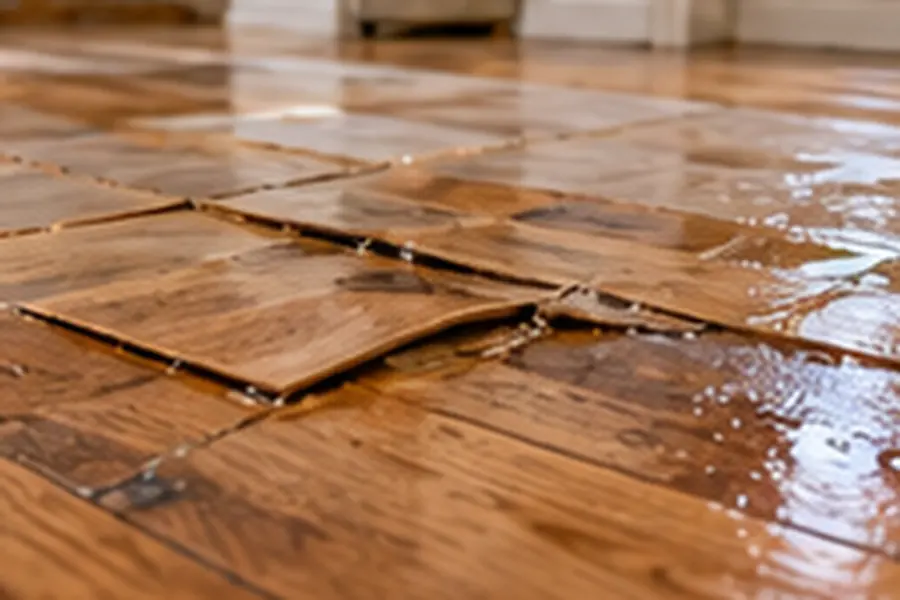
Possible clues include a persistent musty odor, recurring moisture staining, damaged materials, or a history of water intrusion. These clues are not proof that mold is hidden in a particular wall or ceiling; other causes may produce similar signs.
Avoid opening walls without a plan
Before opening a wall or ceiling, consider electrical wiring, plumbing, structural elements, and how dust and debris will be controlled. Unplanned demolition can create additional damage and may not answer the original question.
Ask what can be assessed
Ask a provider what can be evaluated safely, what areas are accessible, and whether any proposed testing would answer a specific question. Clarify limits in the inspection scope and avoid guarantees that all concealed areas can be detected.
How Moldra may help
Moldra can discuss observed symptoms and confirm whether an assessment service is appropriate.
Review the relevant mold remediation service or contact Moldra to confirm service availability and scope.