Why managing moisture is an important part of responding to a mold concern and what property owners can monitor afterward.
Why moisture conditions matter
Mold can recur when the conditions that supported growth remain or return. Cleaning a visible area may not resolve an ongoing leak, condensation problem, or persistent dampness. This does not mean recurrence is inevitable; it means the moisture context matters when planning and reviewing work.
Common sources to investigate
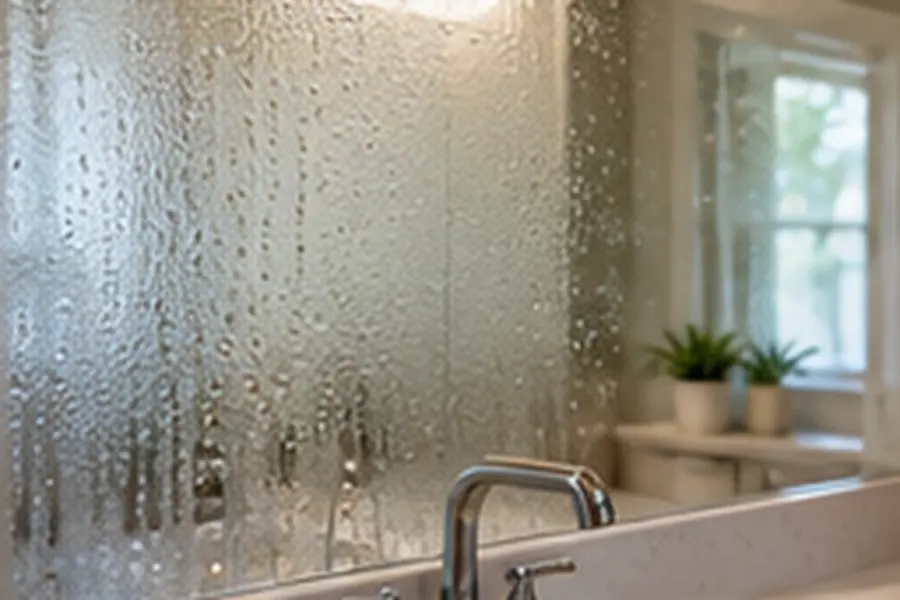
Possible moisture sources include plumbing or roof leaks, water intrusion, condensation on cold surfaces, and indoor humidity. Identifying the source may require a separate qualified trade professional. Do not assume a mold-remediation provider repairs every source of water.
What to monitor after work
After work, follow the agreed instructions and pay attention to new staining, dampness, recurring odor, or signs of condensation. Keep records of any relevant repairs and ask what follow-up checks were included. A provider should not guarantee that mold can never return under any circumstances.
How Moldra may help
Moldra can explain which moisture-related considerations are part of its confirmed service scope.
Review the relevant mold remediation service or contact Moldra to confirm service availability and scope.