Practical next steps for documenting suspected mold, considering moisture, and deciding when to ask for professional help.
Avoid disturbing the area unnecessarily
Start by avoiding unnecessary disturbance of the suspected growth. Do not dry-brush, sand, or scrape a larger area simply to see what is underneath. If the material is damp or the area is extensive, consider getting qualified guidance rather than spreading dust and debris.
Look for moisture clues
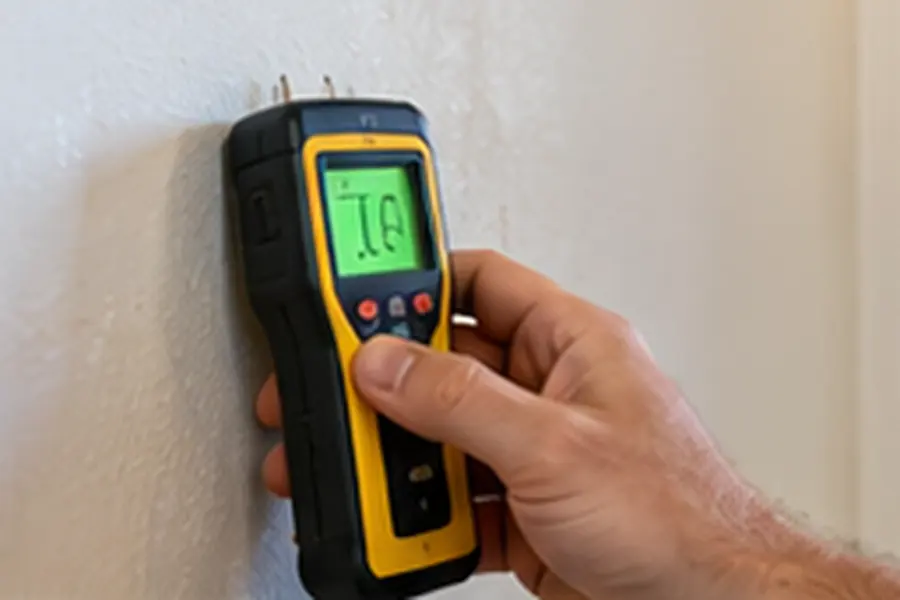
Think about what may have made the material wet. Recent plumbing leaks, roof leaks, condensation, flooding, or ongoing humidity can be relevant. If it is safe to do so, note visible staining, the location, when the concern appeared, and whether the odor or growth has returned. Do not enter unsafe areas or handle contaminated materials if you are unsure how to proceed.
Know when to get advice
The right response depends on the size of the area, the type of material, the moisture history, and any special circumstances in the building. People with health concerns should seek appropriate medical advice rather than relying on a website to assess health risk.
How Moldra may help
Moldra can discuss the observed concern and explain which assessment or remediation services are available. A photo may help describe the issue but cannot establish its full extent.
Review the relevant mold remediation service or contact Moldra to confirm service availability and scope.