Understand how condensation can contribute to damp materials and what observations may help identify the issue.
Where condensation appears
Condensation occurs when moisture in the air meets a cooler surface. Repeated condensation around windows, pipes, exterior walls, or other surfaces may leave materials damp and create conditions that support mold growth. The pattern can be a useful clue but does not identify every cause.
Why repeated dampness matters
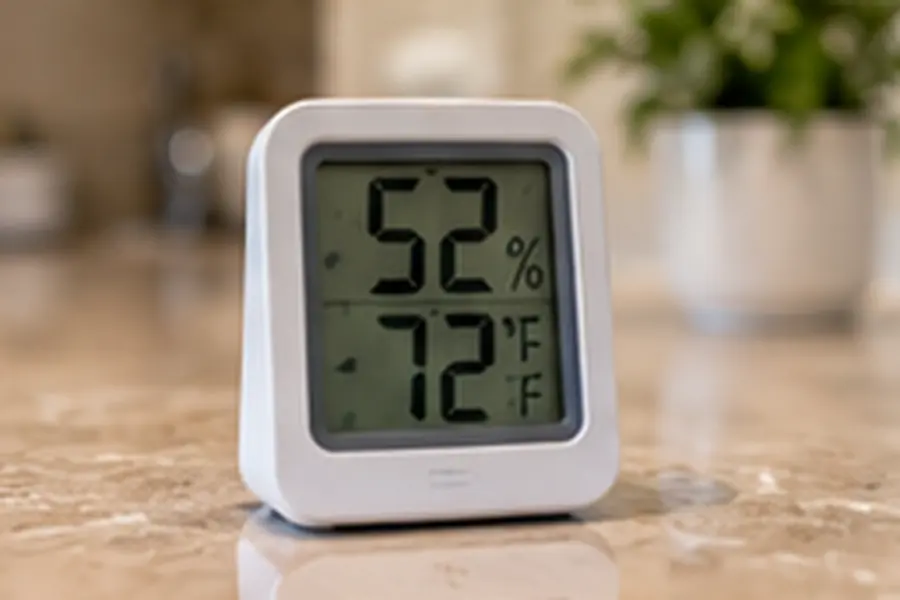
Notice when condensation appears, whether ventilation is available, and whether dampness persists. Indoor humidity, temperature differences, leaks, and building conditions can interact. Avoid assuming one simple change will solve every moisture problem.
Questions for an assessment
If staining or suspected growth continues, ask a qualified provider to assess the observed area and clarify whether the concern is surface-level or involves damaged materials. Source correction and remediation may require different tasks.
How Moldra may help
Moldra can discuss mold-related concerns and clarify which moisture assessment services are offered.
Review the relevant mold remediation service or contact Moldra to confirm service availability and scope.