

Basement Mold Removal · Littleton, CO · Open 24/7
Basement Mold Removal in Littleton, CO
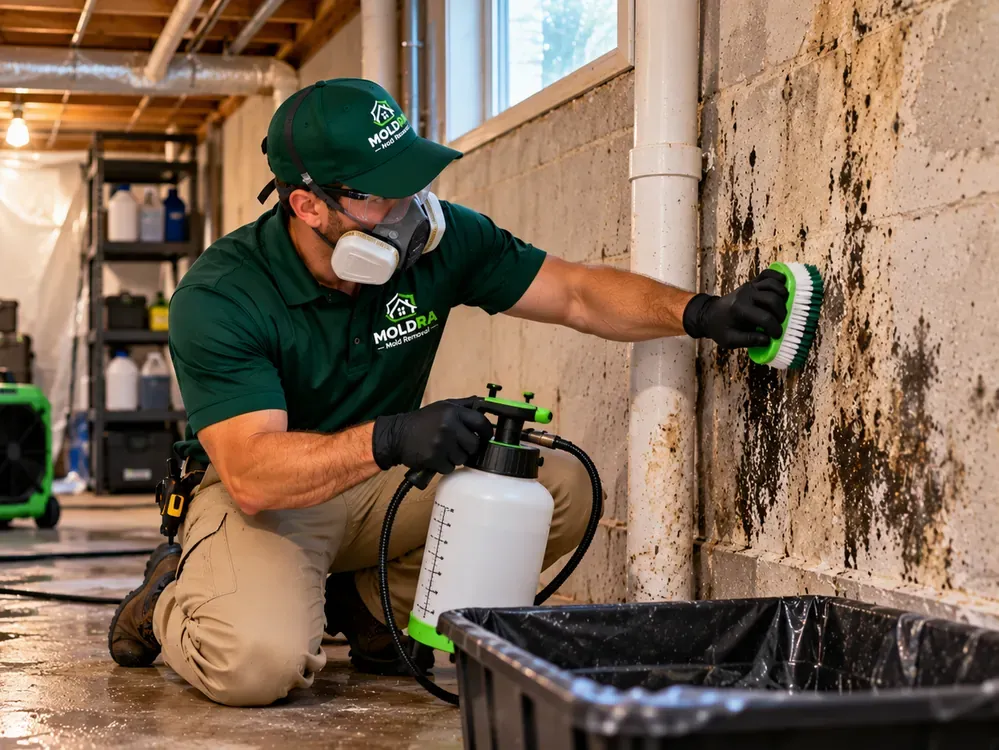
Moldra provides basement mold removal in Littleton, CO, for finished and unfinished basements. We find where the water gets in, contain the basement, remove moldy drywall, carpet and insulation, clean and dry the framing, and help you keep humidity under control. A musty basement is the most common mold call we get in Littleton.
- Available 24/7
- Local Littleton team since 2012
- Clear written estimate before work starts
Get a fast estimate
Tell us what you are seeing. We call you back, 24/7.
Basement Mold Removal Littleton
- Since 2012 14+ years in Littleton
- Open 24/7 A person answers day and night
- Local office W Cross Dr, Littleton, CO
- Source found first Moisture meters and thermal imaging
- HEPA & containment Negative air on every removal
- Clearance checked Lab testing when you need proof
What does basement mold removal in Littleton, CO involve?
Basement mold removal means finding the water source (foundation cracks, window wells, a failed sump pump or high humidity), containing the area, removing moldy drywall, carpet and insulation, cleaning the framing and drying everything before rebuild.
Who to call in Littleton: Moldra has handled basement mold removal in Littleton, CO since 2012, from our local office at 9800 W Cross Dr #110, Littleton, CO 80123. We are open 24/7. Call (720) 743-9257.
What are the signs of mold in a basement?
- A musty smell when you open the basement door
- Dark spots at the bottom of drywall or on baseboards
- White, chalky deposits on concrete walls (efflorescence), a sign of water moving through
- Damp carpet or a carpet pad that smells
- Water in window wells after storms or snowmelt
- Condensation on cold water pipes or walls in summer
Why it matters
Why you need professional basement mold removal
Basement mold is rarely just on the surface. Here is why it needs a proper remediation.
Mold behind finished walls
The bottom of drywall and the carpet pad soak up water first, so the growth is usually bigger than what you see.
Concrete stays wet
Without proper drying, concrete keeps feeding mold for weeks. We dry and measure until it is done.
Spores travel upstairs
Basement air reaches the whole home. Containment and HEPA filtration keep it from spreading during the job.
Stops it coming back
Fixing grading, window wells or a sump pump is what keeps your basement dry next spring.
What basement mold removal includes
Find the water
Moisture readings along walls and floors show whether the water comes from outside, plumbing or humidity.
Contain the basement
Barriers and negative air protect the stairs and the rest of the house.
Remove finished materials
Moldy drywall is cut out (usually at least two feet past visible growth), plus wet insulation, carpet and pad.
Clean framing and concrete
HEPA vacuuming, sanding where needed and antimicrobial treatment of studs and slab.
Dry and dehumidify
Commercial dehumidifiers bring materials back to dry readings.
Prevention plan
Advice on grading, window wells, sump pumps, gutters and a dehumidifier to keep humidity in the 30 to 50 percent range.
Our process
How we remove basement mold in Littleton
Basements are where we do most of our work in Littleton. The process is built around one goal: remove the mold and make sure the basement stays dry.
-
Step 1: Inspection & assessment
We check walls, floors, carpet, window wells and the foundation with moisture meters and thermal imaging to find every wet area, including mold behind finished walls.
-
Step 2: Containment & air filtration
The work area is sealed off from the rest of the basement and the stairs, with negative air and HEPA air scrubbers so spores do not travel upstairs.
-
Step 3: Removal & treatment
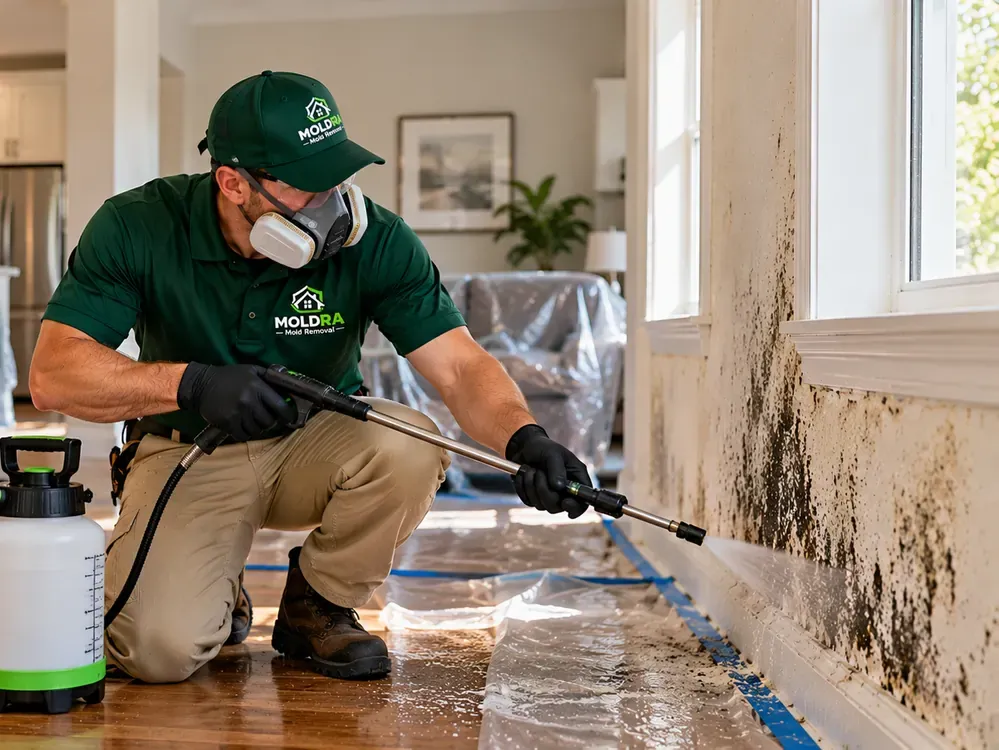
Wet drywall is cut above the damage line, and moldy carpet, pad, insulation and baseboards are removed. Concrete and framing are HEPA vacuumed, scrubbed and treated.
-
Step 4: Structural drying & dehumidification
Commercial dehumidifiers and air movers dry the framing and concrete. We log readings until the basement is dry, which matters because concrete holds water.
-
Step 5: Post-remediation verification
A clearance check, with air samples when you want proof, confirms the basement is back to normal before any rebuild.
-
Step 6: Prevention & restoration
We address the cause: grading, downspouts, window well covers, cracks or a sump pump. Then rebuild with mold-resistant materials and a gap at the floor.
Before & after
Basement Mold Removal before and after
Real results from our Littleton jobs: the same spot before we started and after the work was done.
Local know-how
Understanding basement mold in Littleton, Colorado
A dry climate does not mean dry basements. These are the reasons Littleton basements get mold, and what makes them more vulnerable than the rest of the house.
Climate and basement mold risk
Littleton gets only about 16 inches of precipitation and about 66 inches of snow in a typical year (Western Regional Climate Center data), and the air is dry most of the time. The problem is timing: spring snowmelt and summer storms deliver a lot of water at once, and it collects against foundations and in window wells faster than the soil can drain it.
Why Littleton basements are especially vulnerable
Expansive clay soils are common along the Front Range and can crack walls and slabs as they swell and shrink. Many Littleton basements were finished years ago with drywall and carpet straight against concrete and no vapor barrier, so water soaks in where nobody sees it.
Common types of basement mold
Basement mold is most often Cladosporium, Penicillium or Aspergillus on drywall, wood and carpet backing. Stachybotrys (black mold) appears where drywall stays wet for weeks, such as behind a slowly leaking wall.
The health side of basement mold
Basements share air with the rest of the house through the HVAC system and stairs. The CDC notes damp, moldy rooms can cause stuffy nose, wheezing and eye or skin irritation, more so for people with asthma or allergies.
Front Range weather is dry most of the year, but water arrives in bursts: spring snowmelt, heavy afternoon storms and hail. That water collects against foundations, fills window wells and finds small cracks. Expansive clay soils common in the Denver metro area swell when wet and can stress foundation walls over time.
Many Littleton basements were finished years ago with drywall and carpet directly against concrete, without a vapor barrier or gap. When water gets in, it soaks into the bottom of the drywall and the carpet pad, where nobody sees it until it smells.
How much does basement mold removal cost?
Basement mold removal costs depend on how much drywall and flooring has to come out. See typical ranges in our cost guide.
Mold removal cost in LittletonRelated services
Often needed together
Crawl Space Encapsulation
Vapor barrier, sealing and moisture control so mold does not come back.
Learn more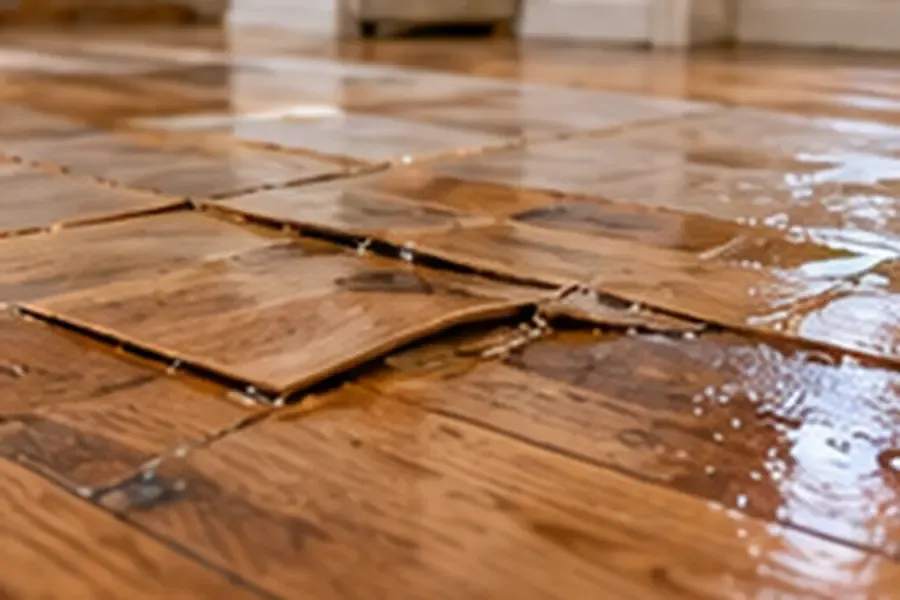
Water Damage Restoration
Extraction, structural drying and mold prevention after leaks and floods.
Learn more
Odor Removal
Find and remove the source of musty smells, then deodorize.
Learn more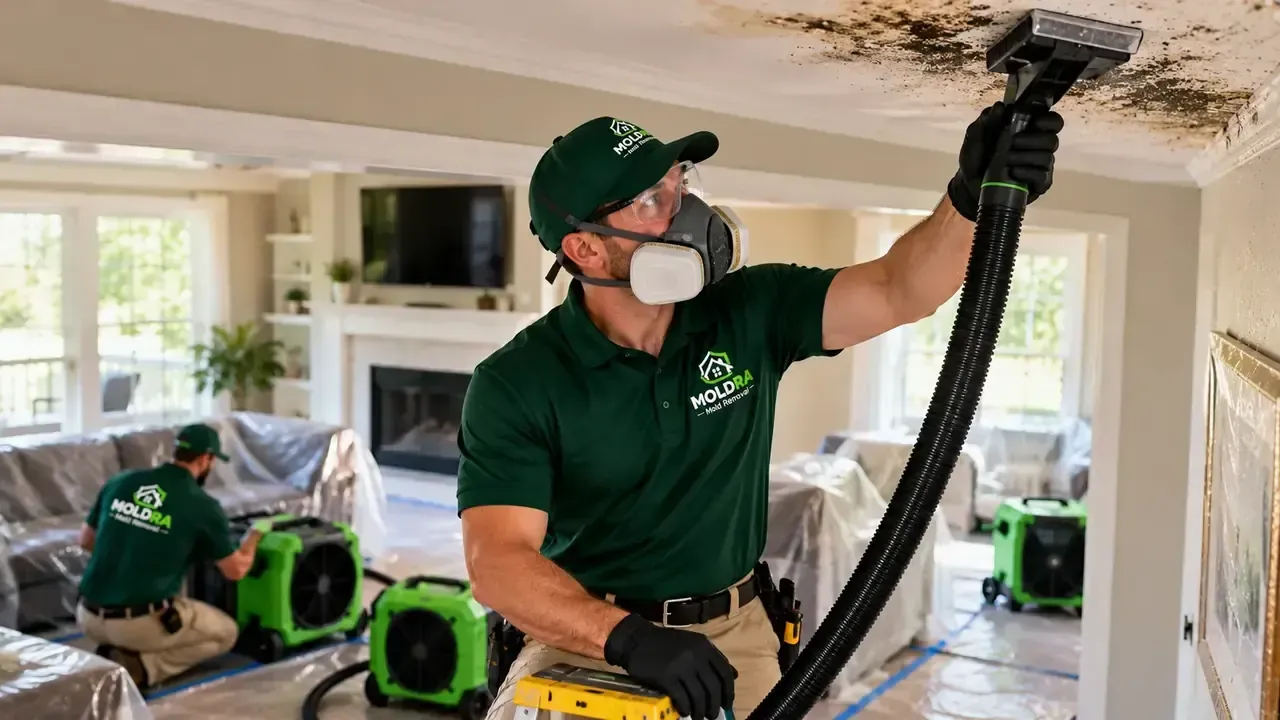
Mold removal in Littleton
Full remediation from inspection to clearance testing.
Learn moreFrom our blog
Mold guides for Littleton homeowners
Plain-English answers from our team about spotting mold, testing and what removal involves.
-
 Signs & causes
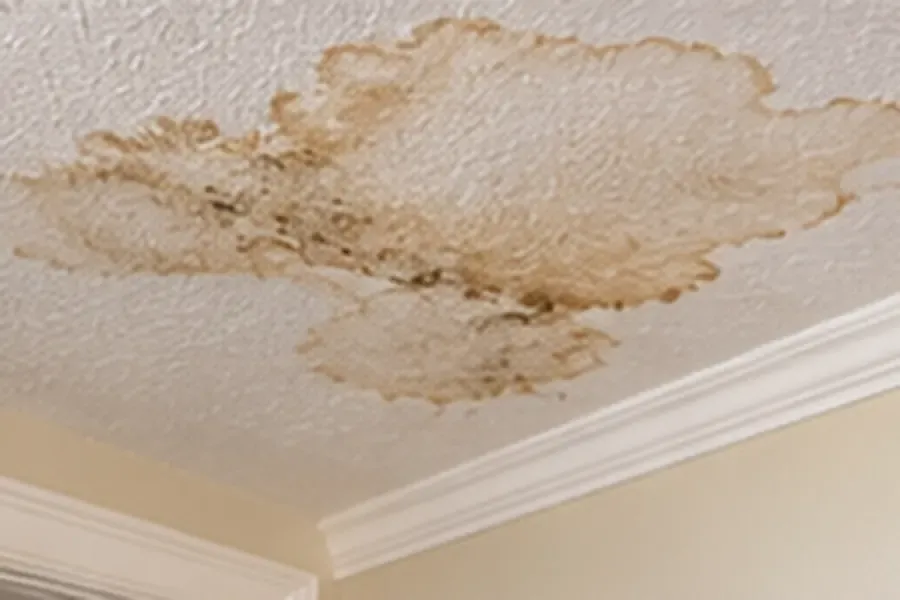
Why Littleton Homes Get Mold (Even in a Dry Climate)
Colorado is dry, so why do Littleton homes get mold? Snowmelt, storms, finished basements, swamp coolers and frozen pipes. The local causes and how to prevent them.
Read the guide -
 Signs & causes
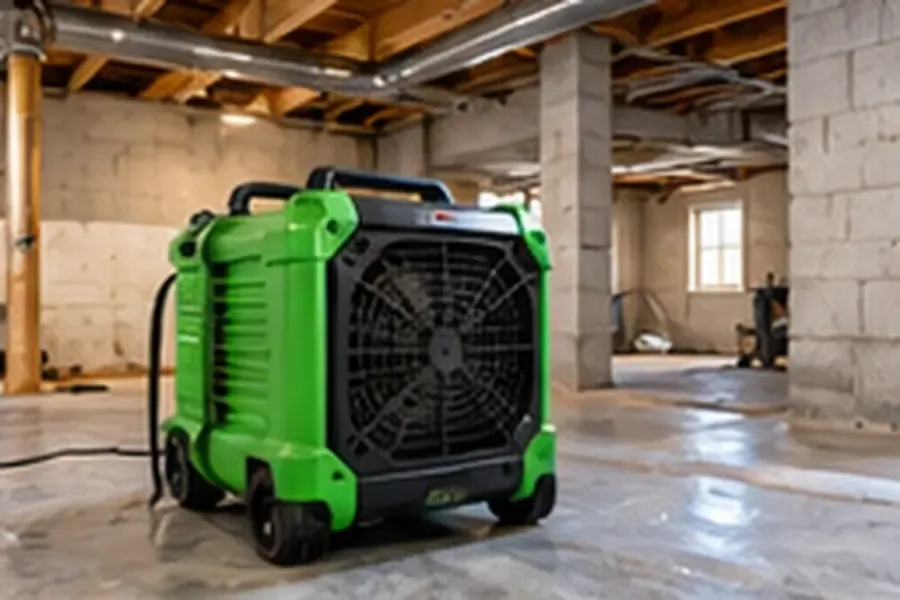
7 Signs of Mold in Your Home (and Where It Hides)
The first signs of mold in a house: musty smells, stains, peeling paint, allergy symptoms and more. Where hidden mold grows in Littleton homes and what to do.
Read the guide -
 Remediation
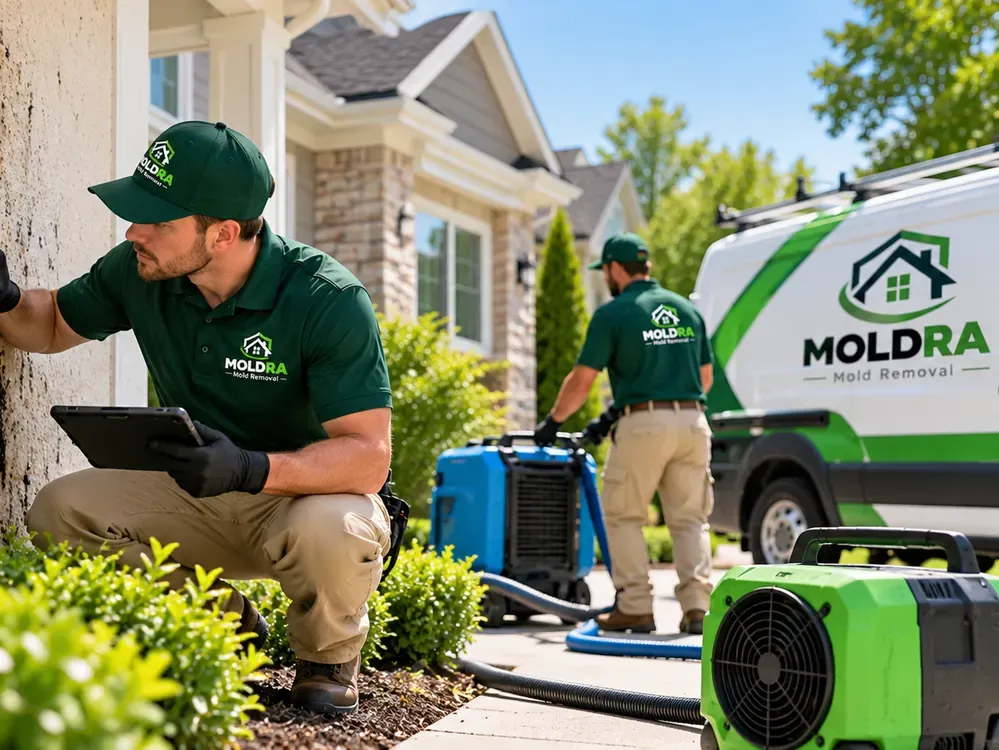
How Long Does Mold Remediation Take?
Typical mold remediation timelines for a bathroom, basement or crawl space, what affects the schedule, and whether you can stay home. Plus how to keep mold from coming back.
Read the guide
Service areas
We serve these areas in Littleton, CO
From our office on W Cross Dr we cover all of Littleton and the neighborhoods around it. Pick your area to see the mold problems we see there most.
- Littleton
- Downtown Littleton
- Southwest Littleton
- Ken Caryl
- Dakota Ridge
- Columbine
- Columbine Knolls
- Columbine Valley
- Bow Mar
- Marston Lake
- Chatfield
- Roxborough
- Sterling Ranch
Smell something musty? Talk to a Littleton mold specialist today.
Tell us what you are seeing. We will explain the next step, whether that is a test, an inspection or removal.
- Available 24/7
- Local Littleton team since 2012
- Clear written estimate before work starts
Location
Basement Mold Removal from our office on W Cross Dr
We are based on W Cross Dr in Littleton and serve the whole city and the neighborhoods around it.
Moldra 9800 W Cross Dr #110, Littleton, CO 80123 (720) 743-9257 Open in Google MapsFAQ
Basement Mold Removal questions
Who should I call for mold in my basement?
Call a mold remediation company that will also find the water source. Removing mold without fixing the moisture means it will come back. If you need foundation or drainage repair, we will tell you what kind of contractor to call.
Can I just paint over basement mold?
No. Mold-resistant paint does not kill existing growth inside drywall, and the mold will keep growing under the paint as long as moisture is present.
What humidity should my basement be?
The EPA recommends keeping indoor humidity below 60 percent, ideally between 30 and 50 percent. A basement dehumidifier set around 45 percent works for most Littleton homes in summer.
Does basement mold removal include waterproofing?
Mold removal and waterproofing are separate jobs. We remove the mold, identify how water is getting in and explain your options. Major waterproofing or foundation work is done by a specialist.
Is basement mold covered by insurance?
It depends on the cause. Mold from a sudden event like a burst pipe is more often covered than mold from long-term seepage. Read our guide on insurance coverage in Colorado.