A mold remediation cost calculator helps you estimate what mold cleanup might cost before you contact a contractor. The final price depends on the size of the affected area, the materials involved, the location of the growth, the source of moisture, and the work needed to clean or remove damaged materials. A small patch on a washable surface is very different from mold behind drywall, under flooring, or inside an HVAC system.
Use the calculator below to create a starting budget, then read this guide to understand what may be included in a professional estimate. If your property is in Littleton, Colorado, learn more about Moldra’s mold removal and remediation services or explore mold removal in Littleton, CO. An online result is a planning estimate, not a guaranteed contractor quote.
Interactive estimator
Mold Remediation Cost Calculator
Enter the details you know to see a broad low, typical, and high planning range. Fields marked required are needed to calculate your estimate.
Your estimated planning range
Select your project details and calculate to see a range.
Budgeting estimate only, not a quote. The model starts with a broad $10–$25 per-square-foot national reference range and adjusts it using the selections above. These multipliers and optional allowances are illustrative, not live contractor rates or verified Littleton prices. Hidden mold, local labor rates, testing, material disposal, moisture repair, and reconstruction can change the final cost. Request a written site-specific assessment before making a decision.
What Is a Mold Remediation Cost Calculator?
A mold remediation cost calculator is a budgeting tool that uses project details to estimate a possible price range. Depending on the calculator, it may consider the affected square footage, room type, material, severity, local ZIP code, and optional work such as testing, containment, filtration, drying, or disposal.
A calculator cannot see behind a wall, confirm a mold species, measure hidden moisture, or decide whether a damaged material can be cleaned. Its purpose is to help you plan, understand common cost components, and prepare questions for a contractor. Use the result as a starting point rather than a final price.
How to Use the Mold Removal Cost Calculator
1. Select the affected area
Choose the area where you noticed mold, such as a bedroom, attic, crawl space, kitchen, or a larger part of the property. The location matters because tight or difficult spaces may need more setup and careful removal.
2. Enter the estimated square footage
Measure the visible area as accurately as possible. Visible growth does not always show the full extent of the problem. Moisture may have traveled behind drywall, beneath flooring, or into insulation.
3. Describe the severity and material
Select the option that best matches the visible condition and identify materials that may be affected, such as drywall, wood, carpet, insulation, or flooring. Do not cut into walls or disturb extensive suspected growth just to make the estimate more precise.
4. Add any extra services
Inspection, laboratory testing, containment, HEPA filtration, material removal, drying, and reconstruction may be priced separately. Include only the options that match the calculator definitions, then check the written estimate to see which tasks are actually included.
5. Review the estimate range
Use the result to plan your budget and compare itemized contractor estimates. If one quote is much lower than another, check whether both include the same work, disposal, moisture correction, and repairs.
How Much Does Mold Remediation Cost in 2026?
Angi’s 2026 cost guide reports an average professional mold remediation cost of about $2,368, with many projects falling between $1,223 and $3,757. It also reports that many projects are priced around $10 to $25 per square foot. These are national reference figures. Actual prices depend on the property, region, materials, access, and agreed scope.
Homewyse takes a different approach by estimating basic mold cleaning under favorable site conditions. Its January 2026 reference starts at $2.30 to $2.80 per square foot and separates labor, supplies, and equipment. That figure describes basic cleaning, not every full remediation project. Testing, damaged material removal, repairs, difficult access, or moisture control can increase the total.
Sources: Angi’s 2026 mold remediation cost guide and Homewyse cost to clean mold estimate.
Typical Mold Remediation Cost Benchmarks
The following table summarizes broad national estimates from Angi’s 2026 guide. These figures are useful for comparison, but they should not be treated as fixed prices or a promise of what a contractor will charge.
| Project type | Published reference range | What can change the price |
|---|---|---|
| Most remediation projects | $1,223 to $3,757; average about $2,368 | Area, access, materials, moisture and location |
| Many projects per square foot | $10 to $25 per square foot | Containment, labor, disposal and hidden growth |
| Attic | $1,000 to $4,000 | Roof leaks, insulation and access |
| Crawl space | $500 to $2,000 | Tight access, damp soil and insulation |
| HVAC system | $3,000 to $10,000 | Affected components and specialist work |
| Whole house | $10,000 to $30,000 | Extent of contamination and reconstruction |
Source: Angi, “How Much Does Mold Remediation Cost?” updated July 9, 2026. Basement and bathroom estimates are covered in the FAQs below.
Mold Removal Cost Per Square Foot
Cost per square foot is a useful starting point, but it does not tell the whole story. Using Angi’s broad range of $10 to $25 per square foot, a hypothetical 100 square foot area would produce an initial calculation of $1,000 to $2,500. This is an illustration of the math, not a quote. Minimum labor charges, containment, testing, disposal, repairs, and moisture control may be billed separately.
Larger projects do not always cost proportionally more. An open, accessible area may be simpler to treat than a smaller space behind a fixture or inside a wall. Ask the contractor how the affected area was measured and whether the quoted rate includes preparation, cleaning, removal, disposal, and cleanup.
What Factors Affect Mold Remediation Pricing?
Size and extent of the affected area
More affected material usually means more labor, supplies, and disposal. The visible patch may not represent the full scope if mold or moisture extends behind finishes.
Location and accessibility
Attics, crawl spaces, wall cavities, and areas around mechanical equipment may need additional setup and careful handling. Limited access can increase labor time even when the affected area is small.
Type of material and damage
Some hard surfaces can be cleaned, while porous or deteriorated materials may need removal. Drywall, insulation, carpet, and other finishes may require replacement. Ask whether reconstruction is included or quoted separately.
Moisture source and drying needs
Leaks, condensation, roof damage, plumbing failures, and water intrusion can allow mold to return if the underlying moisture problem remains. Repairs by a plumber, roofer, or other specialist may be separate from remediation.
Containment, filtration, and disposal
Depending on the project, the work plan may include protective barriers, personal protective equipment, air filtration, careful removal, and disposal. Ask which controls are necessary and whether they appear as separate line items.
Inspection, testing, and verification
An inspection, laboratory sampling, and post-remediation verification are different services. They are not automatically included in every cleanup price. Ask what is recommended, why it is needed, who will perform it, and how much it costs.
How Mold Remediation Pricing Is Calculated
A useful estimate explains the work instead of giving only one total. Depending on the property, a quote may include:
- Inspection and assessment of visible concerns, access, and moisture history.
- Preparation and containment to protect nearby areas.
- Labor and supplies for cleaning or removing affected materials.
- Disposal of materials that cannot reasonably be cleaned.
- Drying and moisture correction to address the conditions that support growth.
- Repairs and reconstruction, such as new drywall, insulation, flooring, trim, or paint.
- Optional testing or verification after the work is complete.
For example, a damp wall project may include assessment, controlled drywall removal, cleaning of exposed framing, drying, and reconstruction. If two companies quote different totals, compare the exact scope and exclusions before deciding which price is better.
Cost to Remove Drywall With Mold
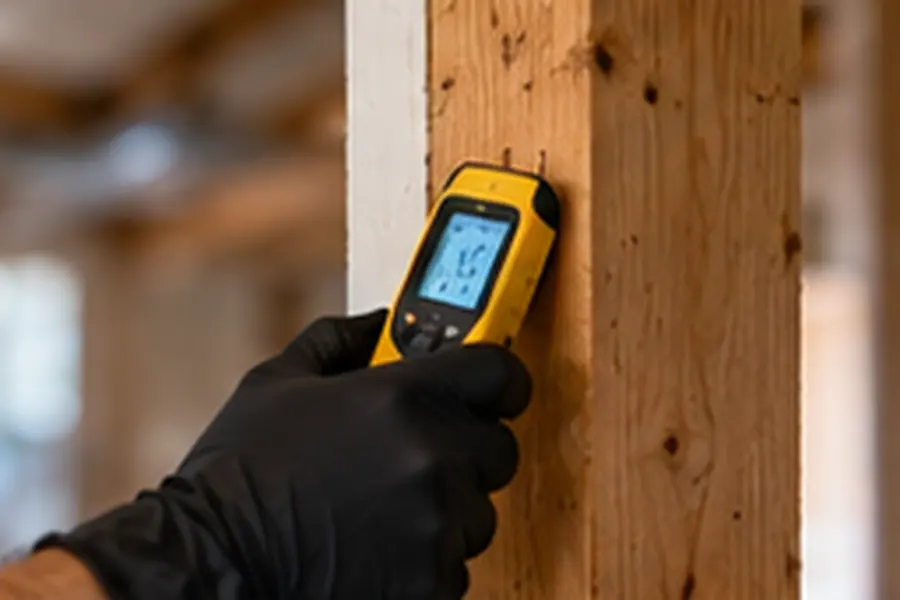
The cost to remove drywall with mold depends on the size of the affected section, whether insulation or framing is involved, how easy the area is to access, and how the work area must be protected. Removing drywall is not the same as rebuilding a wall. A quote may cover demolition and disposal but exclude replacement drywall, insulation, texture, primer, paint, and trim.
Avoid cutting into a suspected mold affected wall without understanding what may be behind it and how dust and debris will be controlled. Ask whether the estimate includes containment, removal, disposal, cleaning of exposed surfaces, drying, and reconstruction.
For related help, review Moldra’s mold-damaged material removal service and confirm the exact tasks included in your estimate.
The Professional Mold Remediation Process, Step by Step
1. Inspection and assessment
A professional reviews visible growth, affected materials, access, and known moisture history. Testing may be useful in some situations, but it is not automatically required for every visible mold problem.
2. Work planning and containment
The provider defines the work area and the precautions needed to limit the spread of dust and debris. Controls depend on the size, location, and nature of the project.
3. Cleaning or removing affected materials
Suitable hard surfaces may be cleaned. Porous or deteriorated materials may need removal if effective cleaning is not practical. The scope should explain how removed materials will be handled.
4. Detailed cleanup and filtration
The plan may include careful cleanup and HEPA filtration where appropriate. The method should fit the conditions at the property and be explained before work starts.
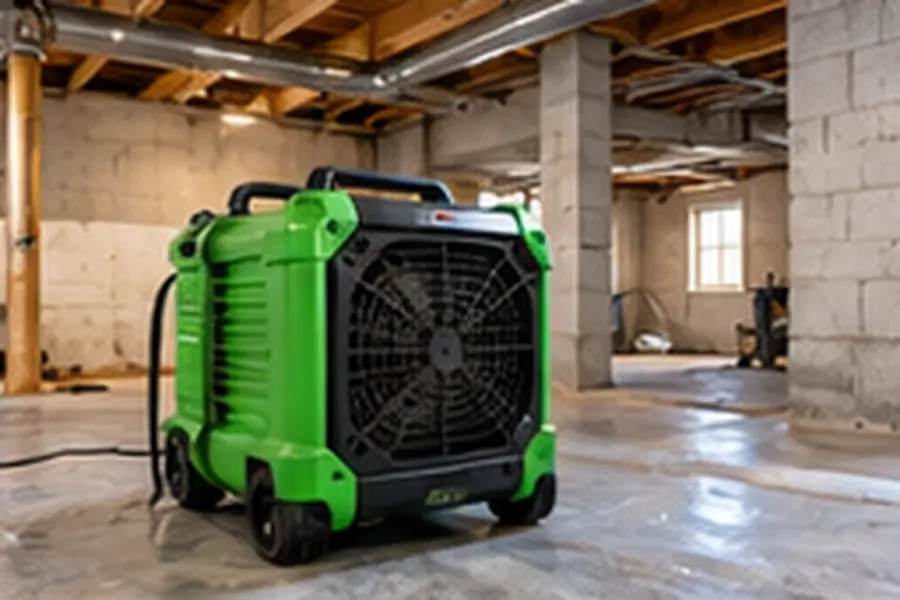
5. Moisture correction and drying
The source of moisture needs to be addressed and damp materials should be dried appropriately. The US Environmental Protection Agency emphasizes fixing water problems and drying materials to help prevent mold growth from returning.
Read the EPA mold cleanup guidance for general information about cleanup and when to seek professional help.
6. Completion review and repairs
Before work begins, agree on how completion will be reviewed and whether any follow up verification is included. Repairs and reconstruction should be listed as included or excluded.
8 Signs You May Need Professional Mold Remediation
- Mold covers a large area or appears in multiple rooms.
- Mold like growth returns after cleaning.
- A persistent musty odor has no obvious source.
- The property has experienced a leak, flood, or substantial water damage.
- Growth may be behind walls, ceilings, flooring, or cabinets.
- Insulation or other porous materials appear damp or damaged.
- Musty odors or visible growth appear near HVAC components.
- You are unsure how to clean the area safely or how far the problem extends.
The EPA says that a moldy area smaller than about 10 square feet can often be handled by a homeowner in ordinary circumstances. Larger areas, substantial water damage, contaminated water, suspected HVAC contamination, or health concerns may call for professional help. Size is only one consideration.
Mold Remediation Cost in Top US Cities
Local prices vary with labor rates, contractor availability, building types, access, and the scope of work. National figures should not be presented as verified averages for Denver, New York, Los Angeles, Chicago, Houston, Miami, or Littleton. Before publishing a city by city price table, use a consistent source for each market and state when the figures were checked.
For a property in Littleton, Colorado, request an estimate based on the actual materials and conditions. Moldra provides mold removal and remediation information for the local area. For a local assessment, explore mold removal in Littleton, CO and confirm current service availability.
Does Homeowners Insurance Cover Mold Remediation?
Coverage depends on the policy, the cause of moisture, exclusions, and any special mold limits. Mold associated with a sudden covered water event may be treated differently from growth caused by long term leakage, maintenance issues, or flooding. Standard homeowners policies often treat flood damage differently from other water damage.
Contact your insurer promptly, photograph the damage, keep receipts, and ask what documentation is required before removing materials or authorizing repairs. Do not assume that an estimate will be fully reimbursed. Review your policy and ask the insurer to explain applicable limits and exclusions.
For general information, consult the Insurance Information Institute’s homeowners insurance coverage guide.
How to Save Money on Mold Remediation
- Fix leaks and water intrusion quickly to limit additional damage.
- Compare itemized quotes with the same work scope and exclusions.
- Ask whether inspection, testing, drying, disposal, and repairs are separate charges.
- Check insurance requirements before authorizing work if a covered event may be involved.
- Ask why any recommended testing or extra service is necessary.
- Reduce future moisture with suitable ventilation, repairs, and humidity control.
Do not choose a contractor only because the first price is the lowest. A quote that excludes necessary material removal or moisture correction may not be comparable with a more complete proposal. Ask for the work area, methods, cleanup, exclusions, and follow up responsibilities in writing.
Can You Remove Mold Yourself or Should You Hire a Professional?
Small patches on suitable hard surfaces may sometimes be cleaned by a homeowner who follows recognized safety guidance and corrects the moisture source. The EPA says areas smaller than about 10 square feet can often be handled without a contractor in ordinary circumstances. That is not a universal rule. Extensive water damage, contaminated water, suspected HVAC contamination, hidden growth, or health concerns can change the decision.
Do not disturb large areas of suspected mold or remove building materials without understanding how dust and debris could spread. If you have health concerns, consult a health professional. When you hire a contractor, ask for a clear scope and written exclusions before work begins.
Is Professional Mold Remediation Worth the Cost?
Professional remediation may be worthwhile when the affected area is extensive, hidden, difficult to access, or involves damaged porous materials. A clear plan can identify what needs cleaning or removal, how the work area will be managed, and which moisture related repairs are needed. It can also help avoid spending money on surface cleaning that does not address the underlying problem.
The value depends on the conditions and the quality of the proposed work. Request a written estimate, ask why each task is recommended, and confirm whether testing, drying, repairs, and follow up are included.
Frequently Asked Questions About Mold Remediation Costs
How much does mold remediation cost on average?
Angi’s 2026 guide reports an average of about $2,368, with many projects between $1,223 and $3,757. Your cost may differ because of location, materials, access, moisture damage, and the scope of work.
How accurate is this mold remediation cost calculator?
The calculator provides a preliminary budget based on the details entered. It cannot detect concealed growth or confirm the full extent of water damage. A site specific assessment and written quote are needed to confirm the work and price.
Is the estimate free, and will I be contacted?
This depends on how the website calculator and contact form are configured. The page should clearly explain whether results are free, whether visitors must submit contact details, and whether submitting information triggers a call or email. Publish only what the actual tool does.
Does homeowners insurance cover mold remediation?
Sometimes. Coverage depends on the policy and the cause of the moisture. Sudden accidental water damage may be treated differently from long term leaks, maintenance issues, or flooding. Contact your insurer and confirm the coverage and documentation requirements.
How much does mold remediation cost per square foot?
Angi’s 2026 guide reports that many projects fall around $10 to $25 per square foot. Homewyse lists a lower starting range for basic cleaning under favorable conditions. These figures describe different scopes, so check what is included before comparing them.
How much does mold remediation cost in a basement or attic?
Angi gives broad national reference ranges of about $500 to $3,000 for basement mold remediation and $1,000 to $4,000 for attic mold remediation. Finished walls, insulation, access, leaks, and repairs can change the final cost.
How much does it cost to remove mold from a bathroom?
Angi reports a typical bathroom reference range of about $500 to $1,000. Growth behind a tub, sink, tile, or wall can require more extensive removal and repairs. The final cost depends on affected materials, access, drying, and reconstruction.
How much does black mold removal cost?
There is no single price based on color. Dark growth alone does not identify a mold species or determine the work required. The affected area, materials, moisture source, access, and remediation plan are more useful cost factors.
Is mold testing included in remediation cost?
Not necessarily. Assessment, laboratory sampling, and post-remediation verification may be separate services. Ask whether testing is recommended, what question it will answer, and whether the fee is included in the written quote.
How do mold remediation companies price a job?
Pricing may include labor, affected square footage, containment, cleaning or removal, disposal, equipment, drying, and repairs. Ask for an itemized estimate so you can compare the same tasks across providers.
How long does mold remediation take?
A small accessible project may take less time than a job involving hidden growth, material removal, drying, or reconstruction. Ask the provider for a timeline based on the actual site and clarify whether repairs or drying will extend the schedule.
What if you cannot afford mold remediation?
Ask for an assessment that separates urgent moisture correction from other work and request itemized pricing or phased options where safe and appropriate. Check with your insurer if a covered event may be involved. Avoid disturbing extensive growth yourself simply to reduce costs.
Is mold remediation worth it?
It may be worthwhile when mold affects porous materials, keeps returning, follows substantial water damage, or may be hidden. A suitable plan should address the affected area and the moisture conditions that support growth.
Get a More Accurate Mold Remediation Estimate
A mold remediation cost calculator is a useful first step, but a reliable estimate depends on the affected materials, moisture source, access, and exact work proposed. Use the calculator to plan your budget, then compare itemized quotes and ask about inspection, containment, removal, drying, repairs, and follow up.
If your property is in Littleton, Colorado, review Moldra’s mold removal and remediation services to understand the service options and confirm availability. You can also learn more about mold removal in Littleton, CO to discuss next steps.
Related Moldra Services
For property-specific next steps, explore mold removal and remediation, inspection and assessment, testing and sampling, moisture control and structural drying, affected material removal, HVAC mold remediation, or post-remediation verification. Scope and availability should be confirmed directly with Moldra.